
A large-scale clinical trial published in The Lancet Healthy Longevity has produced compelling evidence that adherence to a Mediterranean-style diet may significantly slow cognitive decline in adults over 65. The findings are drawing attention from geriatricians and nutritionists across South Florida, where the aging population stands to benefit most.
The MIND-Plus trial, which followed 7,200 participants across 12 countries over five years, found that those who closely followed a Mediterranean dietary pattern rich in olive oil, leafy greens, nuts, fish, and whole grains experienced 35 percent less cognitive decline compared to a control group on a standard Western diet.
What Makes the Mediterranean Diet Different?
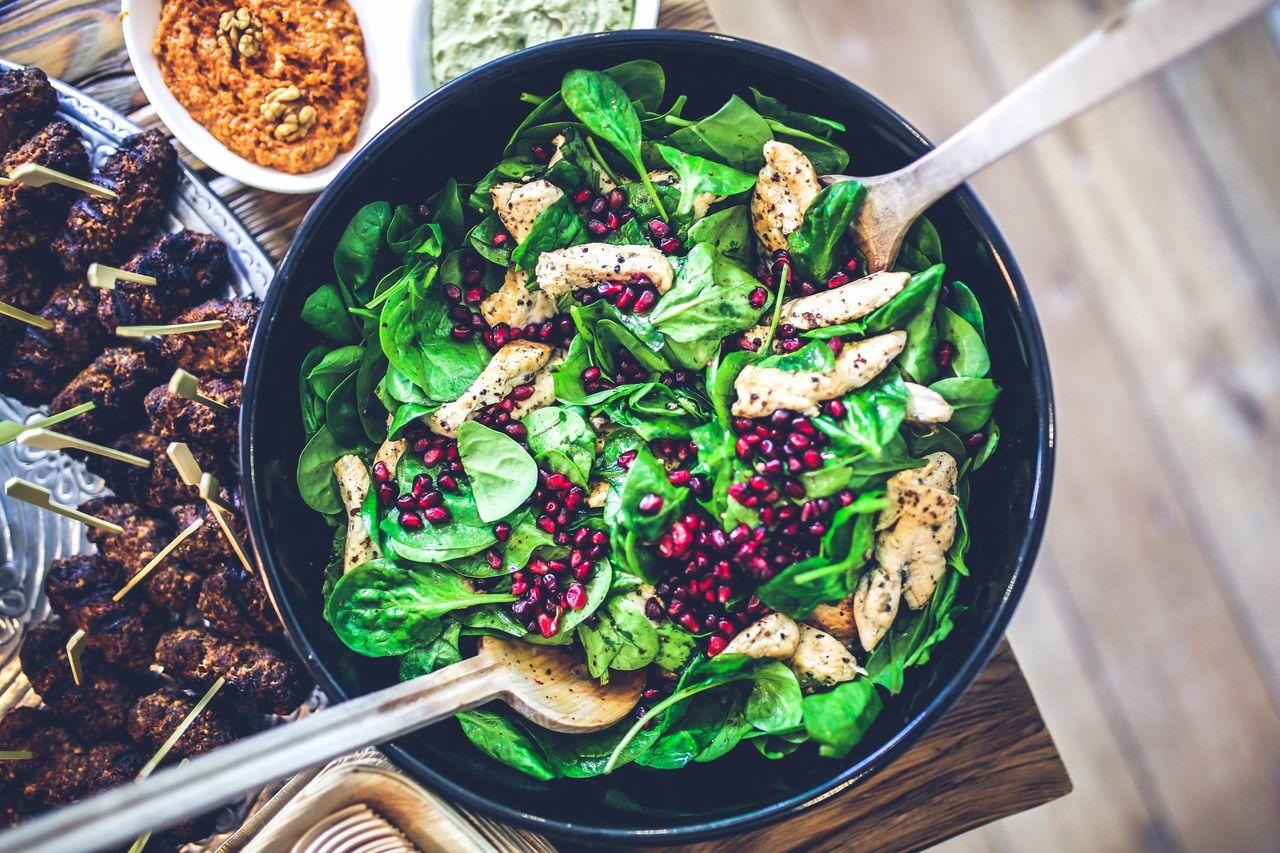
Unlike trendy elimination diets, the Mediterranean approach emphasizes abundance rather than restriction. Key components include daily consumption of vegetables, fruits, and whole grains; regular intake of legumes and nuts; moderate consumption of fish and poultry; and the use of olive oil as the primary fat source.
"The beauty of this dietary pattern is its sustainability," said Dr. Rachel Gonzalez, a nutritionist at the Palm Beach Neuroscience Institute. "Patients don't feel deprived. They're eating delicious, satisfying meals that also happen to protect their brain health."
Local Resources
Several Palm Beach County organizations have begun offering Mediterranean cooking classes and nutritional counseling. The Area Agency on Aging has partnered with local chefs to create affordable meal plans specifically designed for seniors on fixed incomes.
Residents interested in adopting a Mediterranean dietary pattern can consult with registered dietitians through most major health systems in the county, including Baptist Health and Cleveland Clinic Florida.
Tags
Share This Article
Disclaimer: The information provided in this article is for educational purposes only and is not intended as medical advice. Always consult with a qualified healthcare provider before making any decisions about your health or treatment options.
Related Articles

The Bittersweet Truth: Sugar, Oh So Sweet Yet Deadly
Examining the health consequences of America's sugar consumption, from hidden sugars in everyday foods to the links between excessive intake and chronic disease.
Anti-Inflammatory Diet, Another Hype Fad or Truly Beneficial
Dr. Benjamin Soffer examines the evidence behind the anti-inflammatory diet, separating scientific support from hype in the world of nutrition.