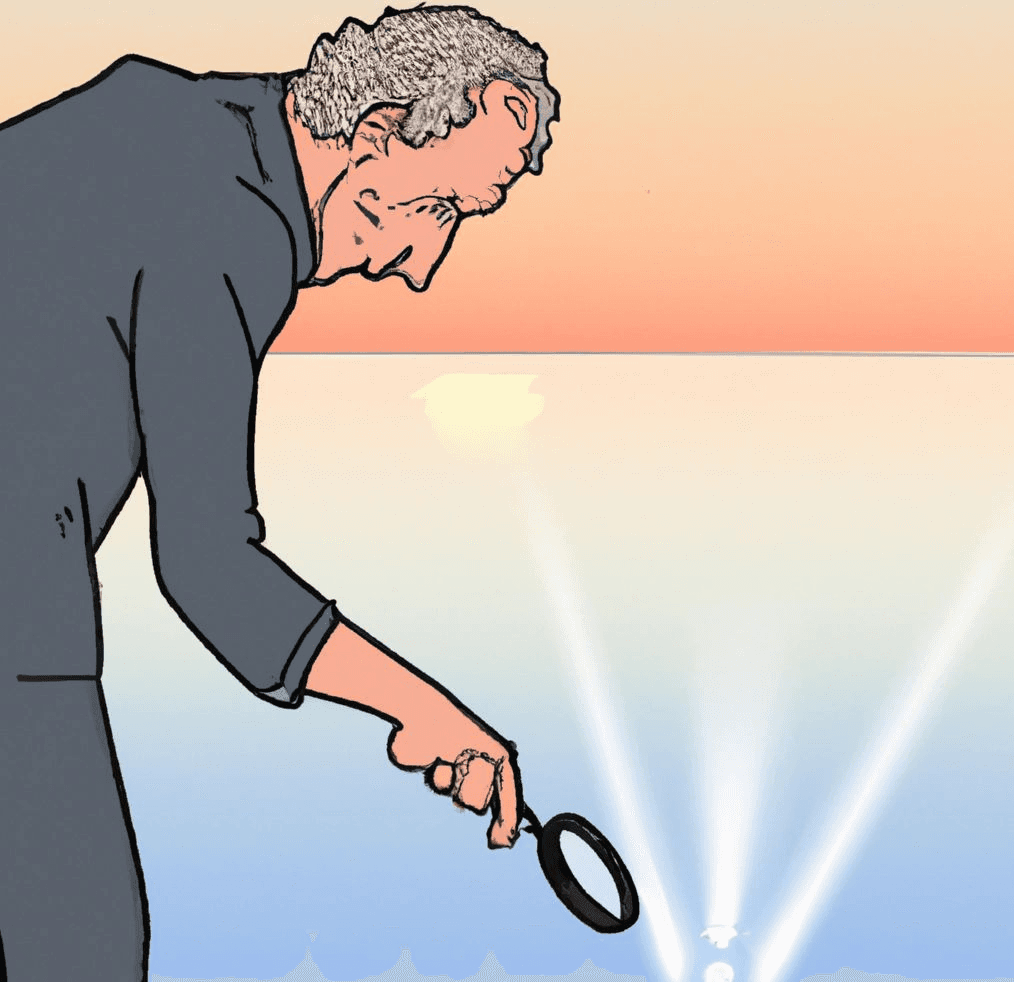
In the realm of ambitious endeavors, the quest to reverse aging stands as one of the most alluring and controversial pursuits. With notable figures like Bryan Johnson channeling their resources and influence into this aspiration, the conversation around human longevity has reached a fever pitch. But beneath the promises and protocols lies a deeper question about our relationship with mortality.
The Anti-Aging Industry
The global anti-aging market is projected to reach hundreds of billions of dollars, fueled by a potent combination of scientific advancement, celebrity endorsement, and existential anxiety. From blood transfusions and hyperbaric oxygen therapy to elaborate supplement regimens and caloric restriction protocols, the methods being promoted range from the evidence-based to the frankly speculative.
Bryan Johnson, the tech entrepreneur who has made headlines with his "Blueprint" protocol involving dozens of daily supplements, strict dietary controls, and extensive monitoring, represents perhaps the most extreme end of this spectrum. His approach raises important questions about the line between health optimization and obsession.
What Science Actually Shows
While researchers have made genuine strides in understanding the biology of aging, the gap between laboratory findings and practical interventions remains enormous. Caloric restriction has shown promise in animal models, certain compounds like metformin and rapamycin are being studied for potential longevity benefits, and advances in understanding telomeres and senescent cells offer intriguing possibilities.
However, the leap from "shows promise in mice" to "reverses aging in humans" is one that science has not yet made, despite the confident claims of those selling anti-aging products and services.
The Psychological Dimension
Perhaps the most overlooked aspect of the anti-aging movement is its psychological underpinning. The desperate pursuit of youth and the refusal to accept mortality can itself become a source of suffering. When the fear of death drives every meal choice, every supplement decision, and every waking moment, the quality of the life being preserved comes into question.
A healthier approach, many physicians suggest, focuses on healthspan rather than lifespan — maximizing the years lived in good health and vitality rather than simply adding years at any cost. This means regular exercise, a balanced diet, strong social connections, adequate sleep, and stress management — unglamorous interventions that consistently outperform exotic protocols in the research literature.
Tags
Share This Article
Disclaimer: The information provided in this article is for educational purposes only and is not intended as medical advice. Always consult with a qualified healthcare provider before making any decisions about your health or treatment options.
Related Articles

The Science of Sleep: Why Palm Beach County Residents Are Sleeping Less
New data shows 39 percent of Palm Beach County adults sleep fewer than seven hours nightly, exceeding the national average and raising concerns among local sleep medicine specialists.

Walking Just 20 Minutes Daily Cuts Heart Disease Risk by 30 Percent, Large Study Finds
New meta-analysis of 230,000 participants confirms that 20 minutes of daily walking reduces heart disease risk by 30 percent, with local resources available to help residents get started.